OpinionDrafted with AI assistance and reviewed by our editors. Sources linked below.
The watch-as-investment era is ending. That's good news for people who want to wear one.
Pre-owned prices rose 1.2% in the third quarter, Rolex managed 0.5%, and secondary inventory hit a record. If you've been waiting to buy a watch you'll actually wear, the market is finally on your side. Not investment advice.
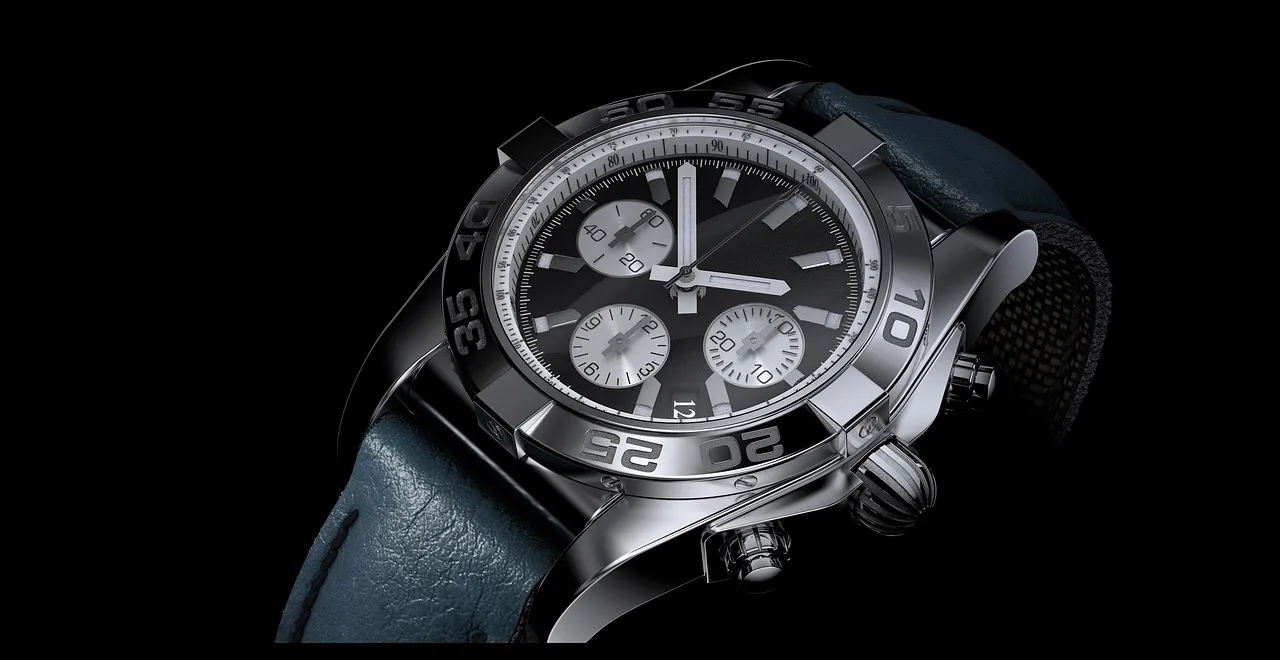
For a few years, a certain kind of watch stopped being a watch and became a trade. Waiting lists, secondary premiums, “investment pieces.” Forbes’s Garth Friesen, reporting Morgan Stanley’s third-quarter review of the pre-owned market on October 20, describes a market that is still rising — and quietly changing character.
The headline numbers: the WatchCharts index of secondary prices rose 1.2% in the quarter. Rolex, which makes up more than half of that index, rose just 0.5% — its smallest gain in seven quarters — “as demand flattened and secondary inventory hit a record.” Patek Philippe rose 2.6% and Audemars Piguet 1.2%. Only the largest brands trade above retail; every other brand Morgan Stanley tracks sells second-hand at a discount of at least 25%.
Read the inventory line, not the price line
A 1.2% quarterly gain sounds healthy. The detail that matters is the record inventory. Prices rising slowly while the volume of watches listed for sale climbs is the picture of a market where sellers are showing up faster than buyers — the gains are narrowing to a handful of brands and models, and the rest are drifting towards what they’re worth as objects rather than as assets.
That’s not a crash. It’s a normalisation, and normal is where most buyers should want the market to be.
Why this is good news
If you want a watch to wear, the investment era was bad for you. It priced ordinary buyers out of ordinary models, turned retail waiting lists into lotteries, and attached a speculative premium to objects whose actual job is to tell the time beautifully for decades.
A market with more supply and flatter prices means more choice at retail, less pressure to buy whatever is available, and a secondary market where a pre-owned watch costs something closer to its value as a watch. The 25%-below-retail figure for most brands is, from a wearer’s point of view, simply a discount.
The other end of the market
Fortune’s October 16 report on family offices is the mirror image: a BNY survey found nearly two-thirds now hold assets like art, watches and fine jewellery, and Sotheby’s reported record first-half sales. The very wealthy are still buying watches as a store of value. But that demand is concentrated in exactly the few brands and references still trading above retail. It doesn’t lift the rest of the market, and the Morgan Stanley data suggest it isn’t.
What we’d do
Buy the watch you want to wear, from a brand with a service network, and ignore the resale forecasts. Treat any premium above retail as a cost, not an investment thesis. If the watch holds its value, that’s a pleasant side-effect; if it doesn’t, you still own a good watch. Friesen’s piece is careful to call the outlook “clouded,” and we’d be careful too: nobody knows where prices go next. What the data do say is that the conditions for buying something to keep are the best they’ve been in years.
Before you decide
Are luxury watch prices going up or down?
Per the Morgan Stanley and WatchCharts data Forbes reported on October 20, the secondary-market index rose 1.2% in Q3 2026. Rolex rose only 0.5%, its smallest gain in seven quarters, while Patek Philippe rose 2.6% and Audemars Piguet 1.2%. Secondary inventory is at a record.
Do watches sell above retail?
According to the same report, only the largest brands trade above retail; every other brand Morgan Stanley tracks trades at a discount of at least 25% to retail.
Is a watch a good investment?
We're not qualified to say and this isn't advice. What the data show is that the broad price gains of recent years have narrowed to a few brands, and that supply on the secondary market is rising — conditions that favour buyers who want to wear a watch over those hoping to flip one.