OpinionDrafted with AI assistance and reviewed by our editors. Sources linked below.
Talc-free is becoming the new 'clean.' Here's what the label does and doesn't tell you.
Big brands are reformulating bestsellers without talc ahead of an EU ban. Dermatologists told NBC the risk is about contamination and dose, not the mineral itself — which makes the marketing more interesting than the chemistry.
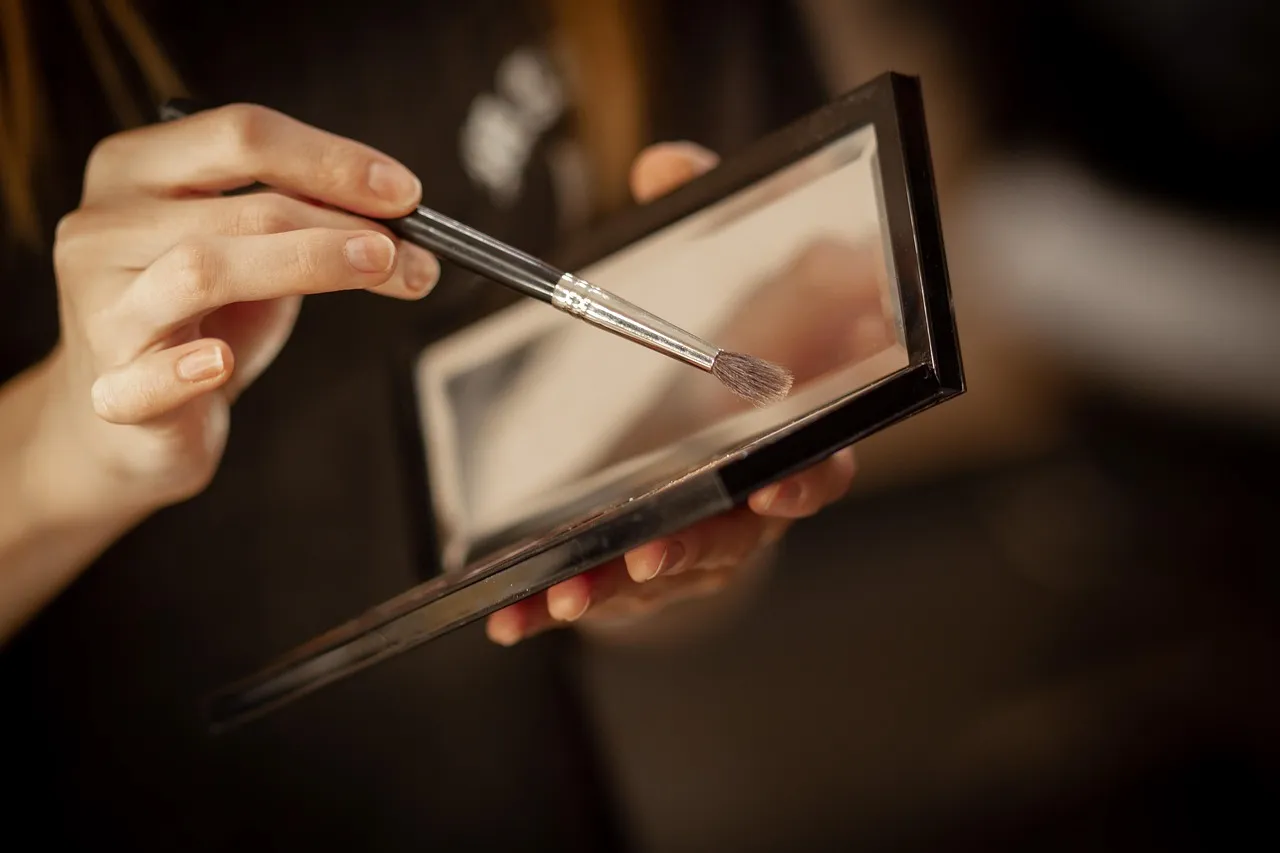
Charlotte Tilbury, Nars, MAC, Givenchy, Huda Beauty, Kosas — NBC Select’s Mili Godio counted an impressive roll-call of brands that have reformulated bestsellers without talc, in a piece published on October 19. The headline reason is regulatory: the European Union plans to ban talc in cosmetics in 2027, and global brands would rather make one formula than two.
The more interesting story is what the experts in that piece say about why — because it isn’t quite what the marketing implies.
What the specialists actually said
Dr Alexandra Bowles, a board-certified dermatologist, told NBC that talc is generally well tolerated and rarely causes allergic reactions. The real issue is asbestos contamination in poorly sourced talc, which is why she suggests looking for brands that share their sourcing and independent asbestos testing.
Dr Gina Maccarone, a cosmetic surgeon, made the point about dose and application: the ovarian-cancer data mostly involve daily genital use of loose powder, not pressed powder on the eyelids. Loose powders also carry more inhalation risk than pressed ones. And she was candid about the business logic — “Reformulating to talc-free is cheaper than the reputational and legal risk.”
Cosmetic chemist Esther Olu added that talc is versatile and inexpensive, with the safety questions sitting in sourcing and testing. Chemist Ava Perkins noted that replacing talc with a single ingredient is difficult.
So what does “talc-free” tell you?
Less than it seems. The label tells you a product doesn’t contain one specific mineral. It does not tell you that the previous version was unsafe, and NBC’s piece is careful to say so: a product containing talc “doesn’t necessarily mean it’s unsafe; it’s all about the dose, application and supply chain.”
What the label mostly tells you is that a brand has decided the risk of the conversation is bigger than the risk of the ingredient. That is a legitimate business decision. It is not a health finding.
The uncomfortable parallel
We’ve seen this film before. “Clean beauty” became a label that implied a safety advantage the evidence didn’t support, and it turned ordinary ingredients into villains. “Talc-free” has the same potential, and NBC’s piece flags it directly: the marketing “can imply a safety advantage that isn’t established.”
The science here is genuinely mixed — the FDA found asbestos in some talc products in 2019, and the WHO’s cancer agency classified talc as “probably carcinogenic” in 2024, while recent FDA sample testing has mostly been negative. That’s a reason to care about sourcing and testing. It’s not a reason to panic about a pressed blush.
What we’d do
Follow the experts’ advice rather than the label. If you want to reduce exposure, start with loose face powders and body powders, where inhalation is the issue. Keep the pressed products you like. And when you do buy, the question to ask isn’t “is it talc-free?” but “does this brand test for asbestos and say so?” The second question is harder to put on a compact, which is exactly why it’s the better one.
Before you decide
Is talc in makeup dangerous?
According to the dermatologists and cosmetic chemists NBC Select interviewed, talc itself is generally well tolerated; the concern is asbestos contamination in poorly sourced talc, and dose and application matter. The ovarian-cancer data mostly involve daily genital use of loose powder, not pressed powder on the face.
Why are brands reformulating now?
NBC reports the European Union plans to ban talc in cosmetics in 2027, and brands may reformulate globally rather than maintain separate versions. One surgeon quoted put it plainly — reformulating is cheaper than the reputational and legal risk.
Should I throw out products that contain talc?
The experts NBC spoke to said no — "tossing every product in a frenzy isn't warranted by the evidence." If you want to switch, start with loose and body powders, which carry more inhalation risk than pressed products.