OpinionDrafted with AI assistance and reviewed by our editors. Sources linked below.
Seven pro runners told NBC what they pack for a marathon. The cheapest items came up most.
Anti-chafe balm, pockets, salt chews and a $10 massage ball. The experts' essentials list is a quiet argument that marathon gear is about friction and fuel, not the $275 shoes.
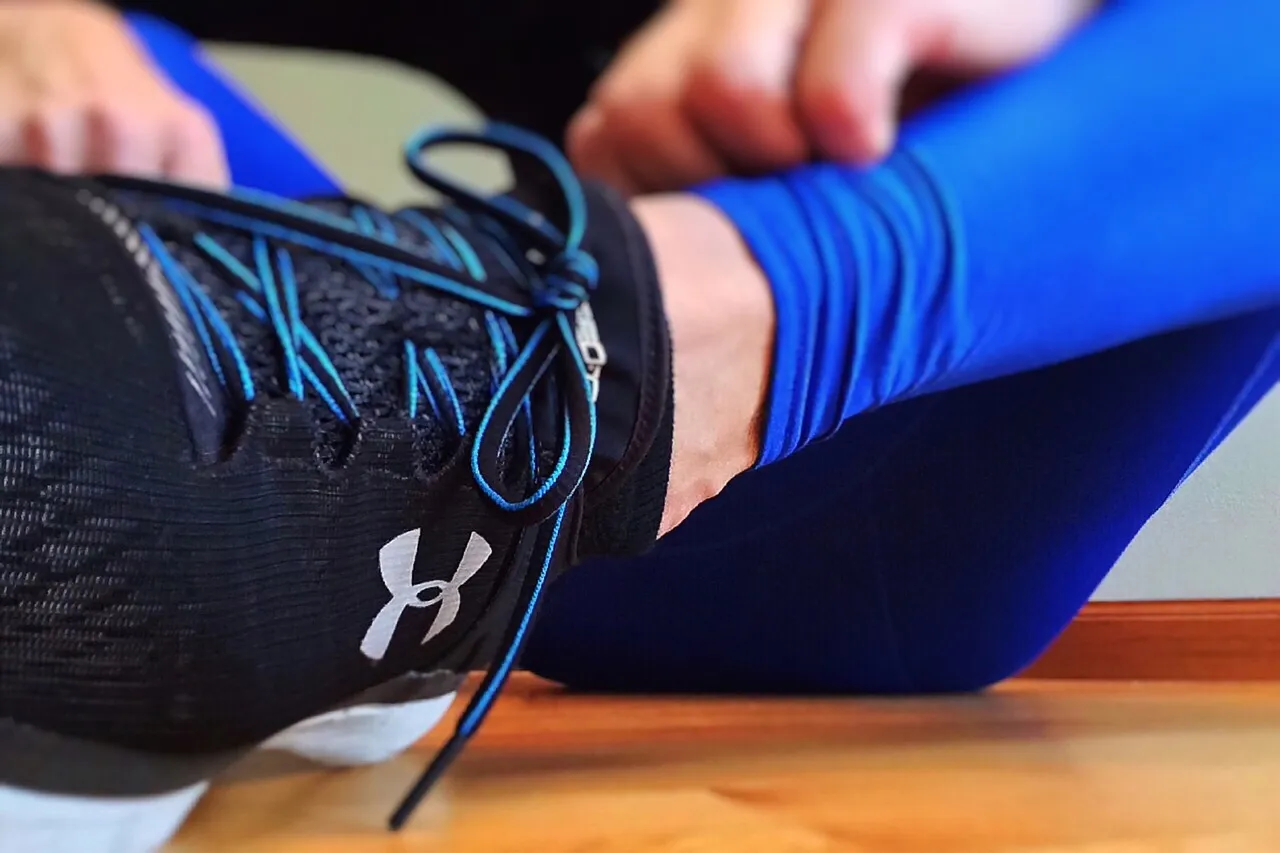
NBC Select’s Zoe Malin asked seven professional runners and coaches — including Olympians Jenny Simpson and Alexi Pappas — what they consider essential for a marathon. The resulting checklist, published October 14, runs from apparel to recovery and includes shoes up to $275. But read what the experts actually say, and the emphasis lands somewhere cheaper.
Friction first
The item that came up with the most feeling was anti-chafe balm. James McMillian of Tone House put it memorably: “When you stack up miles, fabric and skin do a fire dance, and you will not like it.” NBC lists Body Glide at around $7 to $11. Anyone who has finished a long run with bleeding nipples or raw inner thighs will tell you that the cheapest item in the kit is the one that decides whether you enjoy mile 20.
Pockets were next. Simpson said that when she became a marathoner, “something that became super essential for me is pockets” — a reminder that gels, keys and a phone have to live somewhere, and that most running clothes pretend they don’t. A $27 belt or a bra with a pocket is the fix, and NBC lists both.
Fuel, salt, socks
The middle of the list is fuel and hydration — gels, a drink mix, salt chews — and the practical footwear items: cushioned ankle socks at $16 and recovery slides. None of it is glamorous and all of it is the difference between a good race and a cramping one. Coach Heini Tallent’s line applies to the whole category: “There are no shortcuts when it comes to building the durability and resilience that your body needs.”
Recovery gear ranges from a $7.99 set of massage lacrosse balls to $550 compression boots, and the pros’ advice is about habit rather than hardware. Melanie Flynn of Fitness Together: “Recovery should be part of the training plan, not something you do only when something hurts.” The massage ball does most of that job for the price of a coffee.
The shoes come last
NBC’s shoe section lists five models from about $130 to $275, with sensible fit, mileage and rotation advice. We’d simply note where the shoes sit in the experts’ answers: they’re the final section, after the balm, the pockets, the fuel and the socks. The $275 carbon-plated racer is a real advantage for a runner who has already solved everything else. It’s a very expensive way to run 26 miles with chafed skin and an empty stomach.
The best line in the piece
Alexi Pappas: “The marathon is a very long conversation with yourself.” Gear can’t have that conversation for you. But the right $40 of balm, pockets and salt can make sure it isn’t about your shorts.
How to
How to build a marathon kit from the experts' list, in priority order
The order below follows what the seven pros in NBC Select's piece emphasised most — the cheap, friction-and-fuel items first, the expensive ones last.
Stop the chafing
Anti-chafe balm was the item the pros returned to most. As Tone House's James McMillian told NBC, "When you stack up miles, fabric and skin do a fire dance." NBC lists Body Glide at around $7–11.
Sort your pockets
Olympian Jenny Simpson said that when she became a marathoner, "something that became super essential for me is pockets." A running belt (NBC lists a SPIbelt at about $27–30) or shorts and a bra with pockets solve it.
Plan fuel and salt before the race
The list includes gels, hydration mix and salt chews. Practise with them on long runs; race day is not the time to discover your stomach disagrees.
Get socks and recovery right
Cushioned ankle socks ($16 on NBC's list) and recovery slides matter more over 26 miles than they sound. As Fitness Together's Melanie Flynn told NBC, "Recovery should be part of the training plan, not something you do only when something hurts."
Then, and only then, the shoes
NBC lists shoes from about $130 to $275. The expensive carbon-plated models are the last thing to buy, after you've trained in a pair you trust and know your mileage and fit.